A conventional loan is a type of loan that is not insured by the government. Conventional loans offer more flexibility and fewer restrictions for borrowers, especially those borrowers with good credit and steady income.

FHA home loans are mortgages which are insured by the Federal Housing Administration (FHA), allowing borrowers to get low mortgage rates with a minimal down payment.

Non-QM (Non-Qualified Mortgage) loans are designed for borrowers who don’t fit the strict guidelines of traditional lending. If you’re self-employed, a business owner, real estate investor, or have unique income situations, Non-QM programs provide flexible solutions that focus on your real financial picture—not just tax returns or W-2s.

Our Self-Employed Loan Option is designed for borrowers who earn income outside of traditional W-2 employment. Whether you’re a business owner, freelancer, or independent contractor, this program offers flexible qualification methods that better reflect your true financial picture.

No income, no doc mortgage programs are designed for borrowers who prefer not to provide traditional income documentation or may not qualify through standard verification methods. These loans are especially popular among real estate investors and high-net-worth individuals who can demonstrate strong assets, significant down payments, or property cash flow instead of W-2s, tax returns, or pay stubs.

A DSCR (Debt Service Coverage Ratio) loan lets real estate investors qualify based on the property's rental income — not personal income, tax returns, or W-2s. If the property generates enough cash flow to cover the mortgage, you can qualify.

A Foreign National mortgage loan is designed for non-U.S. citizens who want to purchase or refinance property in the United States. Borrowers typically reside and work in their home country. These loans use DSCR (Debt Service Coverage Ratio) qualification instead of traditional income verification, making them accessible to international buyers.

Our Self-Employed Loan Option is designed for borrowers who earn income outside of traditional W-2 employment. Whether you’re a business owner, freelancer, or independent contractor, this program offers flexible qualification methods that better reflect your true financial picture.

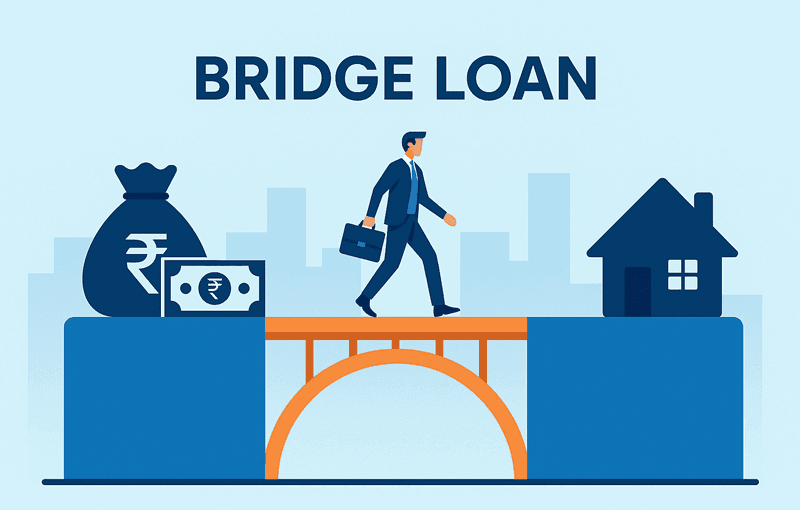
A buy before you sell program allows you to secure your next home without the pressure of selling your current one first. Instead of rushing to list, dealing with temporary housing, or trying to time both transactions perfectly, this option gives you the flexibility to purchase your new home upfront—often by leveraging the equity in your existing property

Construction loans are designed for borrowers looking to build their dream home or complete a major renovation from the ground up. Unlike traditional mortgages, these loans provide funding in stages—also known as draws—throughout the construction process, ensuring your builder is paid as each phase is completed. Once construction is finished, the loan can often be converted into a permanent mortgage, simplifying the financing process.

Commercial real estate loans are designed to help investors and business owners purchase, refinance, or develop income-producing properties such as office buildings, retail centers, warehouses, and multifamily properties
The most common type of loan option, the traditional fixed-rate mortgage includes monthly principal and interest payments which never change during the loan's lifetime.
Adjustable-rate mortgages include interest payments which shift during the loan's term, depending on current market conditions. Typically, these loans carry a fixed-i...
Interest only mortgages are home loans in which borrowers make monthly payments solely toward the interest accruing on the loan, rather than the principle, for a specif...
Hard money lending refers to a type of short-term loan secured by real estate, typically used by borrowers who may not qualify for traditional bank financing. These loans are provided by private investors or companies, and they focus more on the value of the property being used as collateral rather than the borrower’s creditworthiness. Hard money loans usually come with higher interest rates and shorter terms, often used for real estate investments, fix-and-flip projects, or other urgent financing needs.